Source Waterproof Antibacterial Baby Nursing Pillow for Nursing, Sleeping, Eating
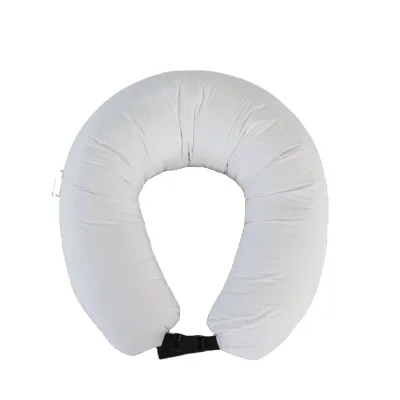
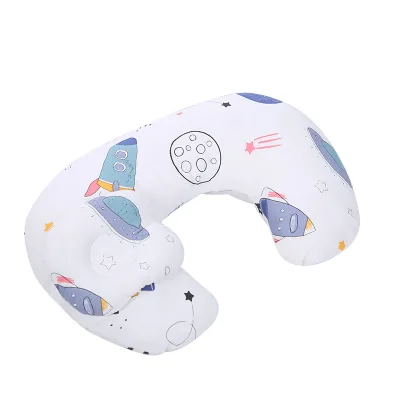
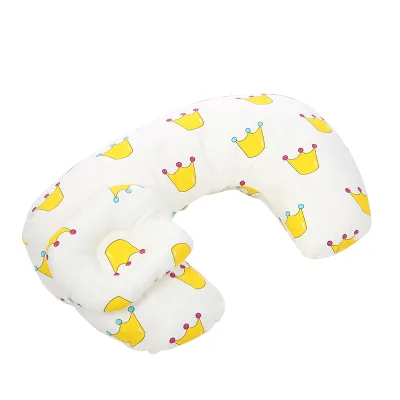
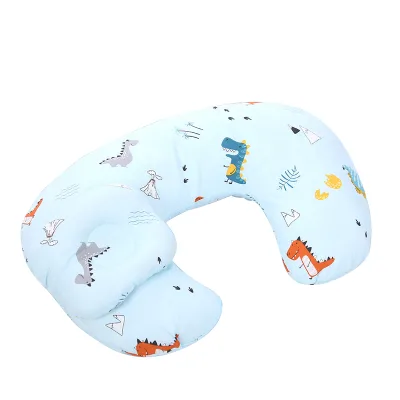
Compare 30 listings for the waterproof antibacterial baby nursing pillow featuring U-shape and C-shape designs. Buyers can evaluate options with modal cotton or polyester materials, memory foam filling, and customizable sizes from Zhejiang suppliers.
Key considerations
Products List




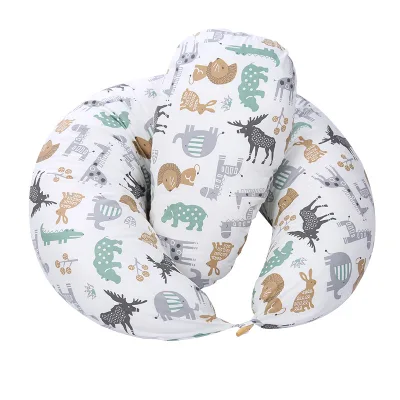
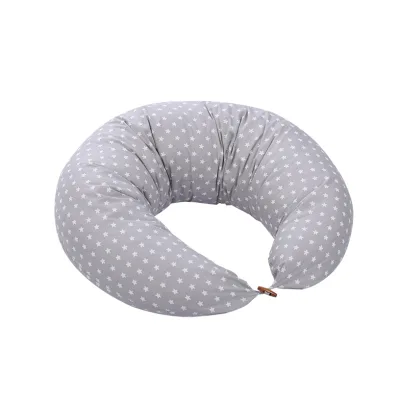
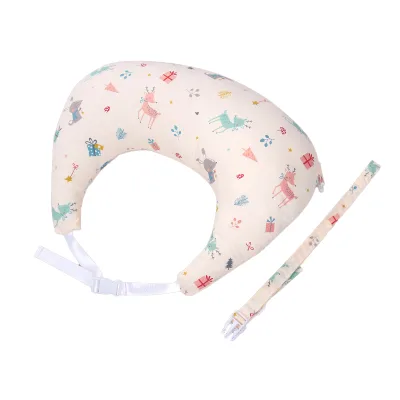
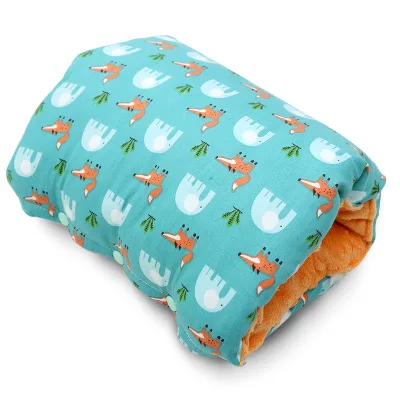
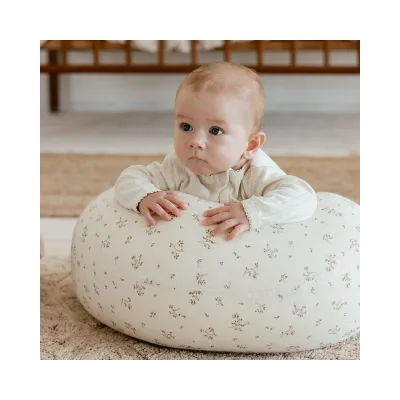
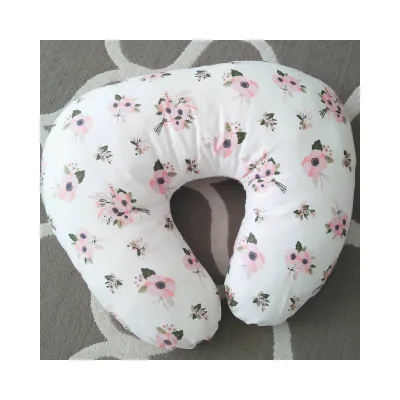
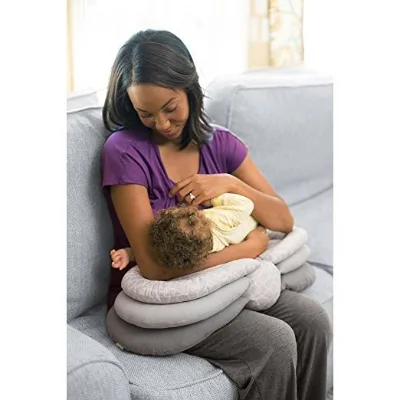
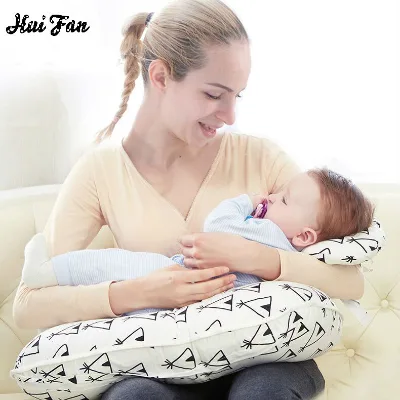


Comprehensive Sourcing Guide
Strategic Sourcing Guide for Waterproof Antibacterial Baby Nursing Pillows
Navigating the global market for specialized infant care products requires a disciplined approach to verifying technical claims, particularly when the core keyword involves functional assertions like "waterproof" and "antibacterial." For procurement professionals, the distinction between marketing terminology and verified product specifications is critical. This guide synthesizes available market data and industry standards to provide a framework for sourcing these items without relying on unverified supplier assertions. The focus remains on objective evaluation of materials, construction methods, and compliance requirements to ensure the final product meets safety and performance expectations for infant use.
Technical Specifications and Material Composition
The foundation of any nursing pillow procurement strategy lies in a rigorous analysis of material composition and physical dimensions. Market observations indicate a diverse range of materials, with 100% Polyester and Cotton being the most prevalent options for the outer fabric. Specifically, data points highlight products constructed with 100% Polyester Fiber for the core sleeve, while other variants utilize Modal Cotton Fabric or standard Cotton blends. The filling material is another critical variable; Polyethylene (PE) Foam is a documented standard, offering the necessary density and support structure. However, buyers must verify if the specific supplier's offering matches the required density, as this directly impacts the pillow's ability to support an infant's weight without bottoming out.
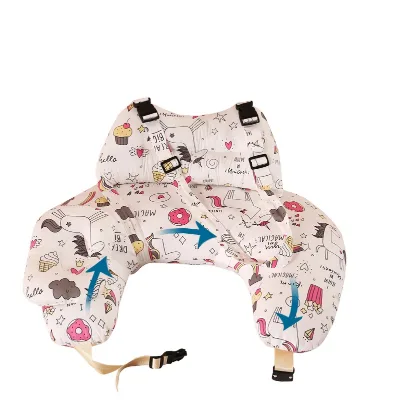
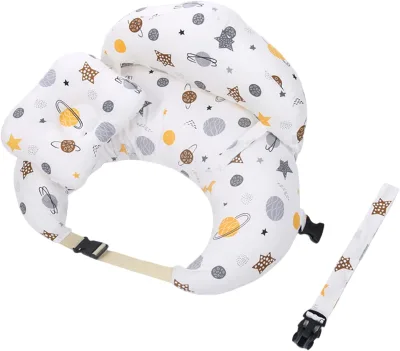
Shape and size are equally defining characteristics. The market presents a variety of geometric configurations, including U-Shape, C-Shape, and rectangular forms. Dimensions vary significantly across the supply chain, with recorded standards ranging from compact sizes like 50x50 cm to larger configurations such as 15.7"L x 23.6"W x 13.8"H. Some suppliers offer customized sizing, which is a vital option for buyers seeking specific ergonomic fits. The technical construction also involves the "Technics" of production; woven fabrics are common, providing durability, while the surface finish may be plain or printed. When evaluating a potential supplier, procurement teams should request a detailed specification sheet that explicitly lists the core material, filling type, and exact dimensions to ensure compatibility with the intended application.
Functional Attributes and Performance Claims
The terms "waterproof" and "antibacterial" are central to the core keyword but require careful scrutiny. While some product attributes list features such as "Anti-Bacteria," "Anti-static," and "Memory," these are often listed alongside other functional claims like "Massage" or "Folded." It is essential to distinguish between the inherent properties of the materials and the engineered features of the finished product. For instance, a pillow may be made from materials that resist bacteria, but the "waterproof" claim often depends on a specific coating or a laminated layer that is not always explicitly detailed in basic product descriptions.
Buyers must verify how the waterproofing is achieved. Is it a chemical treatment applied to the fabric, or is it a physical barrier layer? Similarly, the "antibacterial" claim should be backed by specific testing data regarding the efficacy of the treatment against common pathogens. The presence of "Memory" foam suggests a specific type of filling that conforms to the body, which is beneficial for nursing support, but this must be balanced against the need for firm support for the baby. The product's usage is often categorized broadly as "Home," "Seat," "Eating," or "Nursing," indicating versatility. However, for a product marketed specifically as a nursing pillow, the primary function must be the priority. Procurement teams should demand evidence that the waterproof and antibacterial treatments do not compromise the breathability or safety of the pillow, especially regarding the risk of overheating for an infant.
Compliance, Certification, and Safety Standards
In the realm of infant products, compliance is not merely a regulatory hurdle but a fundamental safety requirement. While the provided data mentions low-confidence background certifications such as GOTS (Global Organic Textile Standard) and OEKO-TEX, these should be treated as potential verification points rather than guaranteed attributes. The presence of these certifications on a supplier's website does not automatically validate the specific batch of goods being purchased. Buyers must independently verify the validity of any certification claims by requesting current, batch-specific certificates from the supplier.
The product origin is frequently cited as Zhejiang, China, or generally China, which are major manufacturing hubs. However, the place of origin does not dictate the quality or safety standards of the final product. Instead, the focus should be on adherence to international safety standards for children's products, such as flammability regulations, chemical restrictions (e.g., limits on formaldehyde or heavy metals), and mechanical safety to prevent suffocation hazards. The "Standard" field in product data often lists dimensions rather than safety codes. Therefore, buyers must explicitly ask suppliers which specific safety standards the product complies with, such as ASTM F963 or EN 71, depending on the target market. Without explicit documentation of these standards, the "antibacterial" and "waterproof" claims cannot be fully trusted as they may involve chemical treatments that could be non-compliant with strict infant safety regulations.
Cost Drivers and Economic Considerations
Understanding the cost structure of nursing pillows is essential for budgeting and negotiation. The observed price range in the market spans from $1.9 to $37 USD, a significant variance that reflects differences in material quality, complexity of design, and certification status. Several factors drive these costs. The type of fabric is a primary driver; 100% Polyester is generally more cost-effective than high-grade Cotton or Modal Cotton blends. Similarly, the filling material impacts price, with specialized memory foams or high-density PE foams costing more than standard fillings.
Minimum Order Quantity (MOQ) is another critical economic factor. The data shows an MOQ range from 100 to 500 pieces. Suppliers with lower MOQs, such as 100 pieces, may charge a higher unit price to cover setup costs, while those requiring 500 pieces often offer more competitive pricing. Customization is a significant cost driver; while many suppliers offer "Customization: Available" and "is_customized: Yes," customizing the size, shape, color, or adding specific branding will increase the unit cost and potentially the lead time. The packaging method, such as "Box" packaging, also adds to the overall cost compared to bulk poly-bagging. Buyers should analyze the total landed cost, including shipping and duties, rather than focusing solely on the unit price, as the cheapest option may incur hidden costs related to quality issues or non-compliance.
Supplier Evaluation and Quality Assurance
Selecting the right supplier requires a multi-faceted evaluation process that goes beyond the initial product listing. The "Brand Name" field in the data shows entries like "koncen," but relying on brand recognition alone is insufficient for B2B procurement. Instead, buyers should assess the supplier's production capabilities, specifically their "Technics" and "Shape" capabilities. A supplier capable of producing complex shapes like U-Shape or C-Shape with precise dimensions demonstrates higher manufacturing maturity.
Quality control (QC) protocols are paramount. Buyers should inquire about the supplier's internal QC processes, including in-line inspections and final random inspections (FRI). Given the functional claims of "waterproof" and "antibacterial," the supplier must have a robust testing regimen to verify these properties. This includes water resistance testing (e.g., spray tests or immersion tests) and antimicrobial efficacy testing. The "Single package size" of 45x40x12 cm suggests a specific packaging standard, but buyers should verify if this is consistent across all batches. Furthermore, the "Weight" of the product, ranging from 0.5 to 1 kg, should be consistent; significant deviations may indicate inconsistent filling or material quality. A comprehensive supplier audit should include a review of their factory conditions, employee safety, and environmental practices to ensure long-term reliability.
Long-Term Procurement and Market Trends
Sourcing for the baby care sector involves a long-term perspective focused on brand reputation and product lifecycle. The "Usage" of these pillows extends beyond nursing to include "Eating" and "Sleeping," indicating a need for durability and ease of cleaning. As parents become increasingly conscious of hygiene and safety, the demand for products with verified antibacterial and waterproof properties is likely to grow. However, this trend also brings increased scrutiny from regulatory bodies and consumer advocacy groups.
Buyers should consider the scalability of their supply chain. The "Customized size" option allows for product differentiation, but it requires a supplier with flexible production lines. As the market evolves, suppliers may need to adapt to new materials or stricter regulations. Therefore, establishing a partnership with a supplier who is proactive about compliance and innovation is more valuable than a transactional relationship with a low-cost provider. The "Style" of the product, whether "Plain" or "Modern," also plays a role in marketability, but functionality must remain the priority. Long-term procurement strategies should include regular re-evaluation of supplier performance, continuous quality audits, and staying informed about changes in international safety standards for infant products. By maintaining a disciplined approach to verification and compliance, buyers can ensure a steady supply of high-quality, safe, and effective nursing pillows that meet the evolving needs of the market.
FAQs
What materials are used for the waterproof antibacterial baby nursing pillow?
The pillow typically uses 100% Polyester or Cotton fabric with PE Foam filling. Some variants feature Modal Cotton Fabric and a core sleeve made of Polyester Fiber. Buyers must verify specific material lists as options vary by supplier.
Can the waterproof antibacterial baby nursing pillow be customized?
Yes, customization is available for size, shape, and branding. The product data confirms that customized sizes are accepted and the item is marked as customizable. However, specific MOQs like 100 or 500 pieces may apply depending on the supplier.
Which shapes are available for the waterproof antibacterial baby nursing pillow?
Available shapes include U-Shape, C-Shape, and rectangular forms. Specific models are listed as U-Shape or C-Shape with dimensions like 60x55cm or 50x50cm. The shape selection depends on the specific product model and intended usage.
How does the MOQ vary for the waterproof antibacterial baby nursing pillow?
Minimum Order Quantities range from 100 to 500 pieces. Some listings specify an MOQ of 500, while others accept orders starting at 100 pieces. The exact requirement depends on the specific supplier and customization level requested.
What is the origin location for the waterproof antibacterial baby nursing pillow?
Products originate from Zhejiang, China, or generally China. This location is a major manufacturing hub for these items. Buyers should verify the specific place of origin for each supplier to ensure compliance with regional trade requirements.
What certifications apply to the waterproof antibacterial baby nursing pillow?
Certifications like GOTS and OEKO-TEX are mentioned as background possibilities but are not guaranteed. Buyers must request current, batch-specific certificates to verify safety and material standards. Do not assume certification without direct supplier documentation.
How much does the waterproof antibacterial baby nursing pillow weigh?
The weight typically ranges from 0.5 to 1 kg. Specific models may have a weight of 1kg or fall within the 0.5-1 Kg range. Consistency in weight indicates stable filling density and material quality.